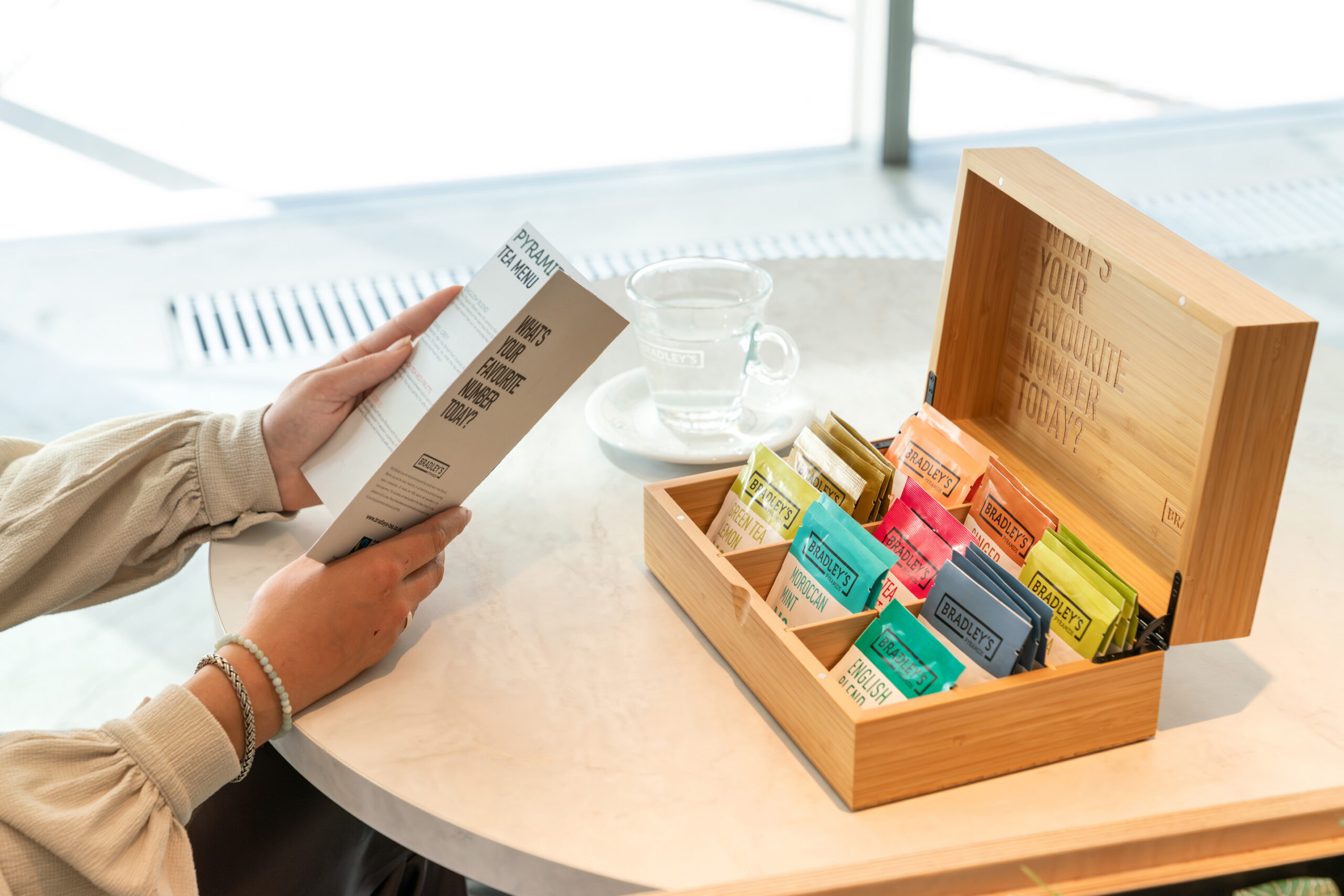
Is Fairtrade tea already on your menu?

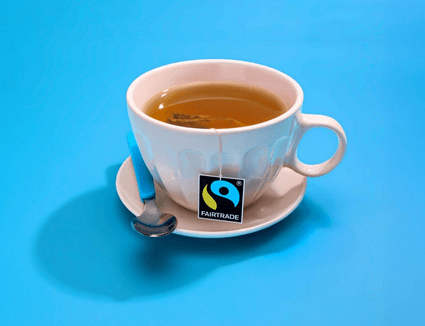
What is Fairtrade and why is it important?
Fairtrade is no longer just for home use! More and more restaurants and cafes are making a conscious effort to contribute to a fairer world by serving their guests coffee, tea, chocolate, and other products bearing the Fairtrade label. In doing so, they’re not only choosing quality, but also making a difference. It’s a great opportunity for business owners to make a difference and let their guests enjoy their meals with a clear sense of purpose.
Fair Trade tea stands for fair trade throughout the entire supply chain. Farmers receive a better price for their products and work under conditions that promote stability and development. This makes Fairtrade not only a certification mark, but also a conscious choice.
A cup of tea may seem like a small moment, but its origins tell a much bigger story. Behind every tea leaf lie people, choices, and circumstances. It is precisely this background that determines not only the quality but also the experience. Where tea comes from and how it is produced therefore plays an increasingly important role in how we view it and how we enjoy it, especially in the hospitality industry.

The Fairtrade Weeks: a good time to reflect on sustainable choices
During the annual Fairtrade Weeks Extra attention is being drawn to fair trade and conscious consumption. It is a time when both consumers and businesses are challenged to reevaluate their choices. For the hospitality industry Is this a good time to take a closer look at the product range? More and more often, people are looking beyond just taste. DyouSustainability, origin, and transparency are playing an increasingly important role in the overall experience. It is precisely these small, conscious choices , such as serving Fairtrade tea, can make a visible difference.
Fairtrade Fairtrade tea in practice
Fairtrade Certified tea complies with guidelines regarding price agreements, working conditions, and sustainable production. This not only provides greater certainty v ear boeren, but also for a more transparent supply chain. For hospitality business owners, this mainly means choosing tea with a clear and verifiable origin.



What does this mean for you as a hospitality business owner?
- Fair-trade and sustainable tea
People are becoming increasingly aware of what they consume and care about where products come from. Sustainable and Fair Trade tea aligns well with this trend. It’s a nice addition to the menu, without having to be too prominent.
- Reliable and Consistent Quality
Fairtrade stands for clear agreements on quality and long-term partnerships throughout the supply chain. As a result, farmers have a better understanding of what to expect and can continue to improve their products. This ensures consistent quality, which is very important in the hospitality industry.
- A forward-looking choice
Sustainability is increasingly becoming the norm. Fair Trade is therefore a logical choice for the hospitality industry. By paying a fair price, you help farmers and the sector move forward. This allows them to continue investing in quality and better working conditions. Low prices may be attractive in the short term, but they are not sustainable. Fair trade, on the other hand, contributes to a strong and future-proof supply chain.

Fairtrade in the out-of-home market
In the out-of-home market, it’s all about simplicity, quality, and a comprehensivee overall experience. Products must fit within the concept without requiring any additional explanation. Fairtrade tea fits in well with this because it is a conscious choice is and it clarifies the story behind the product.
Frequently Asked Questions (FAQ)
-
Fairtrade is an international certification mark that stands for fair trade. It shows that products have been sourced under better conditions, with consideration for the people who make them.
Within Fairtrade, a living wage is a key principle. Workers on farms and plantations are among the most vulnerable groups in global trade. They often lack permanent contracts, earn too little, and have little certainty about their future.
A living wage means that workers earn enough to meet their basic needs, such as food, housing, health care, and education, with a small cushion to cover unexpected expenses.
Fairtrade is actively working to narrow this wage gap and, in doing so, goes beyond what the standard rules require. This gives workers more control over their income and future.
For the hospitality industry, this means choosing a product with a more transparent story and a clearer origin, without changing anything in terms of how it’s used in practice.
-
The flavor of tea is primarily determined by factors such as the quality of the tea leaves, their origin, the climate, and the way the tea is processed and blended. Fairtrade does not focus on these flavor aspects, but rather on the conditions in the production chain.
This means that Fairtrade tea doesn’t necessarily taste any different just because it’s Fairtrade. However, you often see that Fairtrade supply chains place greater emphasis on long-term partnerships and careful production. This can indirectly contribute to consistent tea quality.
For the drinker, then, the taste experience itself usually remains largely unchanged, but the story behind it does. You know that the tea was produced in a fairer and more transparent way, without this affecting how accessible or familiar the flavor remains.
-
Because guests are increasingly paying attention to origin, sustainability, and transparency, in addition to product quality. This trend is reflected in how menus are read and how choices are made. For restaurant owners, this means that products must not only taste good, but also have a sound background story. Fairtrade helps by providing greater insight into the supply chain and demonstrating that a conscious choice has been made to support fair trade.
-
The price of products depends on many factors, such as origin, quality, scale, and the way in which they are produced and traded. The same is true for tea.
With Fairtrade tea, the production and sourcing methods play a particularly important role. Farmers receive a more stable and often higher minimum price for their product, making them less dependent on fluctuations in the global market. In addition, investments are made in better working conditions and local development, such as education and infrastructure.
For the hospitality industry, this may mean that the purchase price is slightly higher. At the same time, the difference per cup of tea is usually minimal. On the other hand, you’re choosing a product with a clearer origin and a more ethical foundation, which guests increasingly appreciate.
-
Implementing Fairtrade often starts with making a conscious choice about which products to carry, such as including Fairtrade tea in your product lineup.
In practice, the difference lies mainly in how you subtly highlight this. Consider, for example, a brief note on the menu, such as: “Our tea is Fairtrade certified” or “Selected Fairtrade tea.”
Serving it can also be kept simple. A brief explanation such as “This is a Fairtrade tea, so it comes from a fair trade supply chain” is often enough. Guests don’t need a detailed explanation, but they do appreciate the thought behind it.
At the same time, Fairtrade isn’t limited to the products that first come to mind. It’s precisely in the smaller details—such as sugar, spices, or other ingredients—that you can make a difference. There are also less visible choices, such as Fairtrade cotton for workwear. By making conscious choices in multiple areas, Fairtrade naturally becomes a logical part of your overall concept.
Homemade iced tea